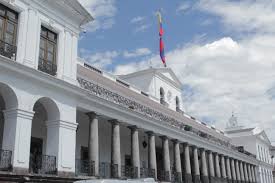
Palacio del Gobierno (Calle Garcia Moreno, Quito) – this is the country’s presidencial palace (a.k.a. Palacio de Carondelet). Originally built in 1650 (when it was the seat of the Spanish colonial government), it was burnt down in 1920, and was rebuilt quickly thereafter. Visitors are only allowed to enter parts of the building that are […]

La Compañía de Jesús (Calle Garcia Moreno y Sucre, Quito) – complete in 1765, this is Ecuador’s most ornate church – considered one of the most significant works of Spanish Baroque architecture in South America. Moorish influences are evident in the church’s interior. A sarcophagus with the remains of Ecuador’s patron saint (Mariana de Jesís […]
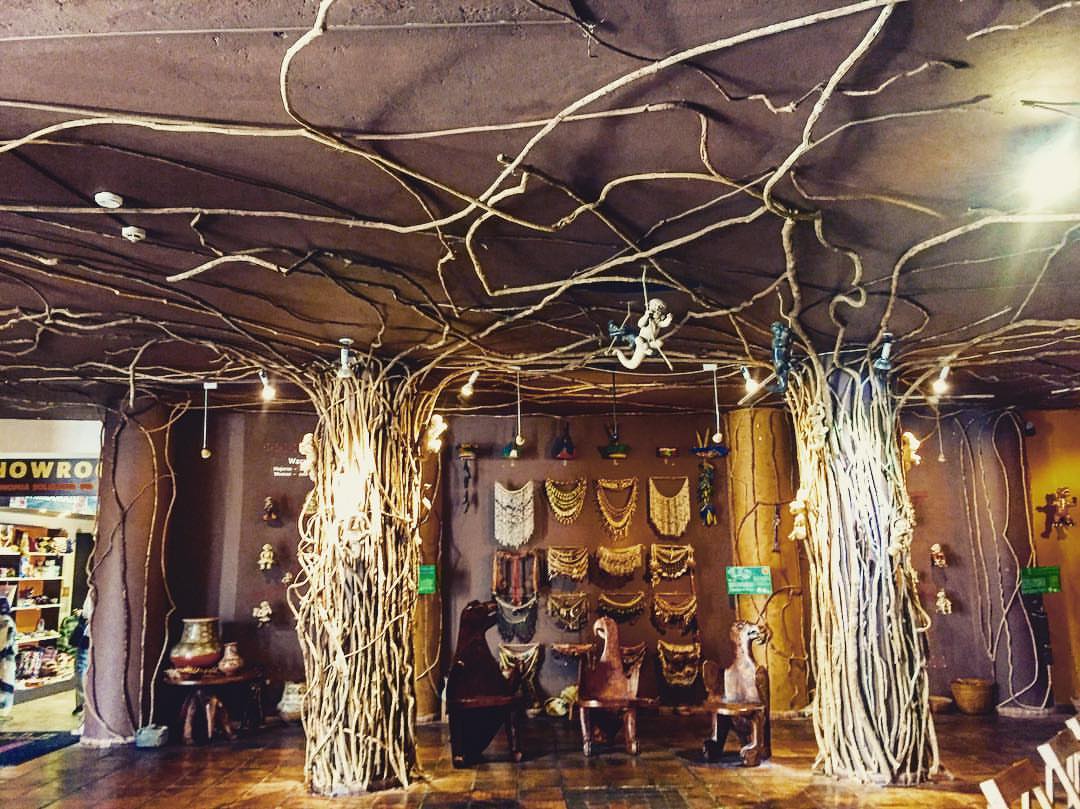
Museo Mindalae (Plaza Yuyú, La Mariscal, Quito) – this museum is dedicated to the country’s ethnic history — celebrating the immense cultural and ethnic diversity of the many nations within Ecuador. The Museum is managed by the Sinchi Sacha Foundation, an organization that supports indigenous cultures, fair trade, craft training and responsible tourism. The name […]
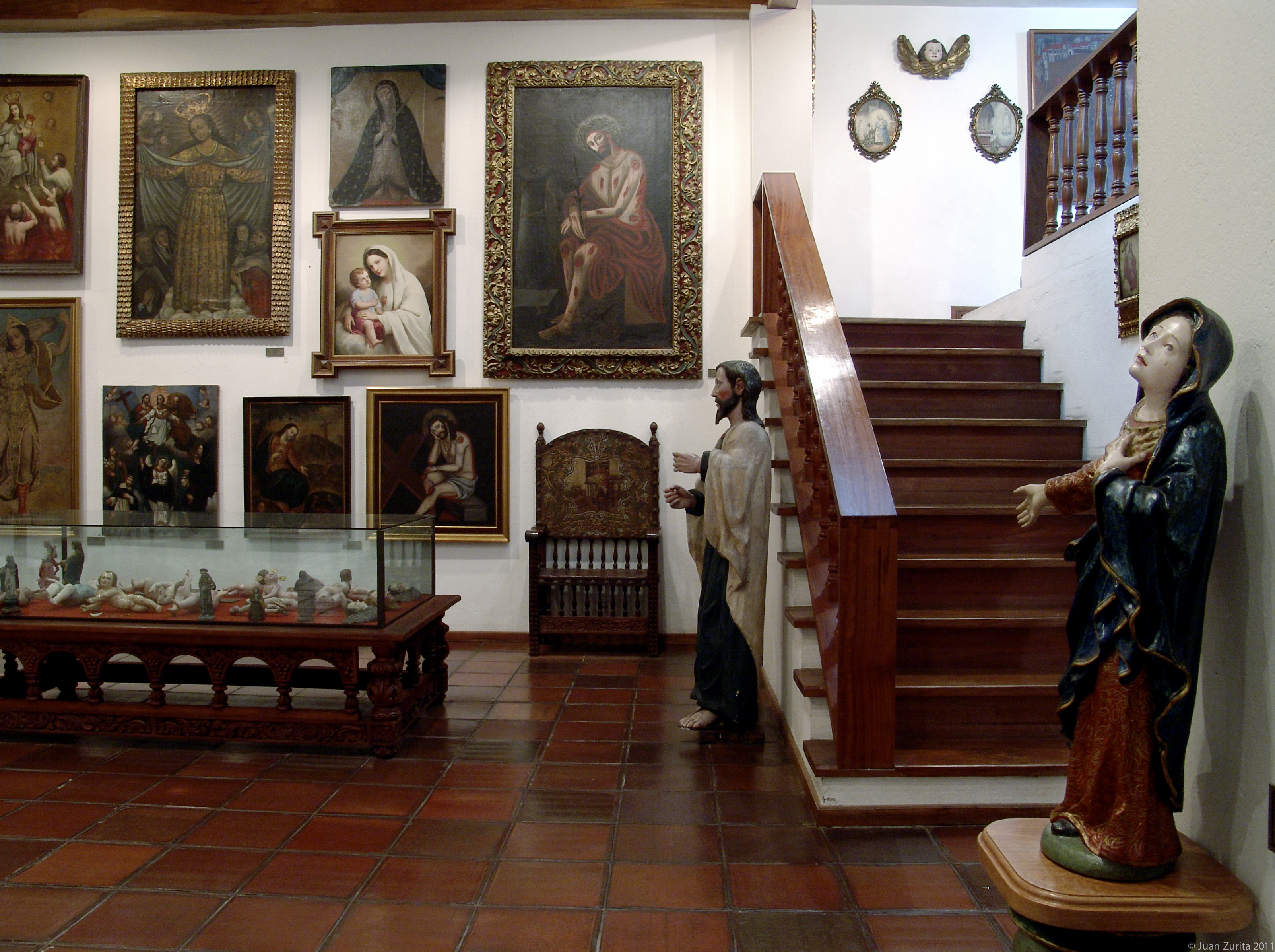
Museo de Arte Colonial (Calles Cuence y Mejía, Quito) – located in a colonial building from the 16th Century, this museum was established in 1914, and houses a vast collection of artwork (from paintings to sculptures going as far back as the 16th century). There is also a section devoted to colonial era indigenous artists. […]
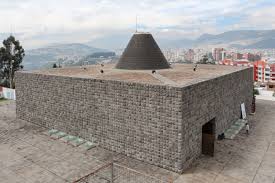
Capilla del Hombre (Mariano Calvache E18-94 y Lorenzo Chávez, Bellavista, Quito) – located in the Bellavista section of Quito, this structure (“the Chapel of Man”) is actually an art museum put together by Ecuadorian painter Oswaldo Guayasamín – which he dedicated to the peoples of Latin America. Artworks shown there range from murals to sculptures. […]
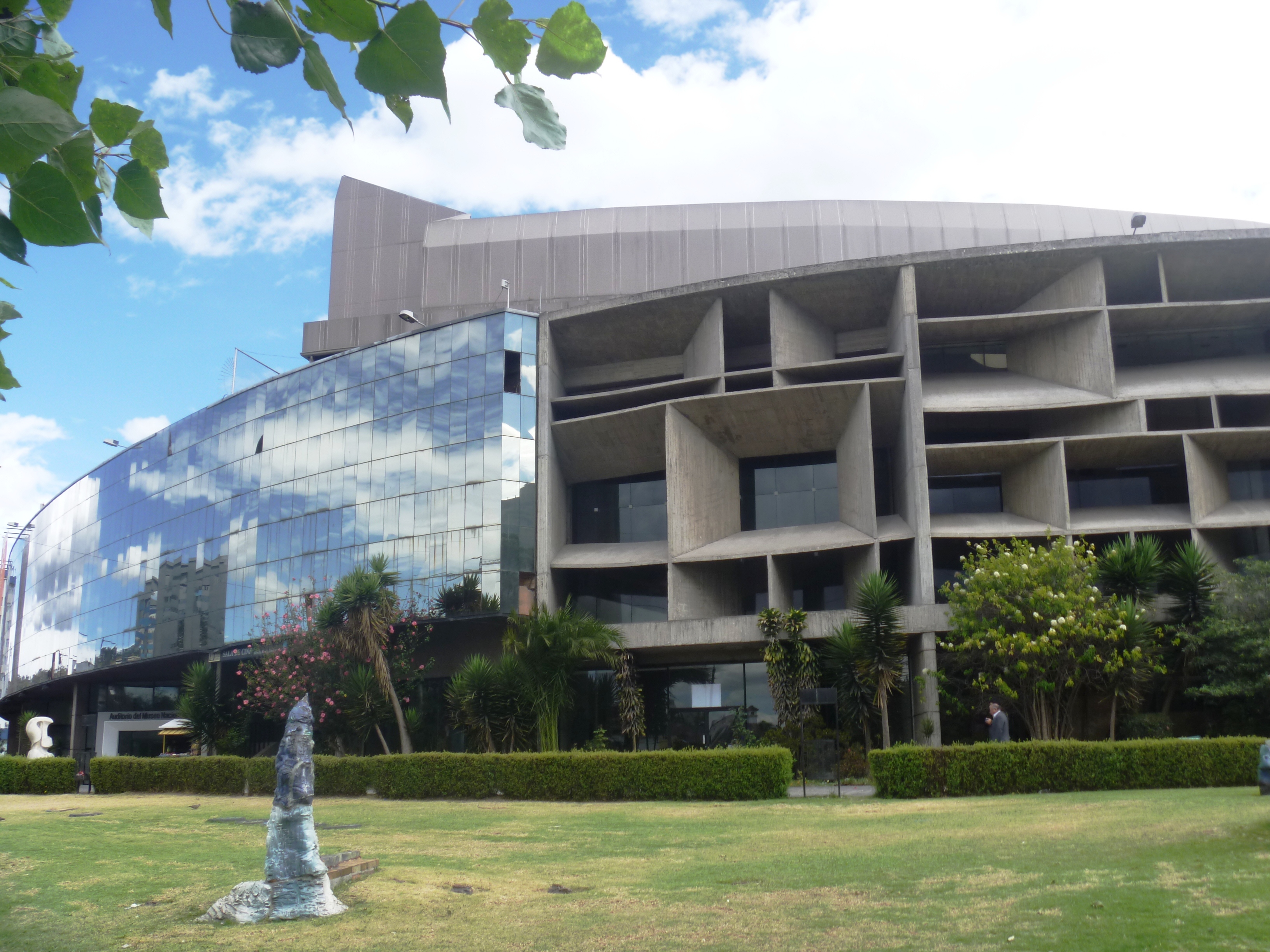
Museo Nacional (Patria, e/Av. 6 de Diciembre y Av. 12 de Octubre, Quito) – founded by the Banco Central de Ecuador and currently managed by the local government’s Ministry of Culture, this museum has a vast collection of artifacts and artwork that span the history of Ecuador, from pre-Columbian (from figurines to gold masks), to […]

Museo Guayasamín (Bosmediano 543, Bellavista, Quito) – along with the befote-mentioned Capilla del Hombre, this museum houses the collection of renowned Ecuadorian artist Oswaldo Guayasamín (1919-1999). As a longtime political activist, many of his artworks displayed images of class division, political oppression, poverty and prejudice (including his best known painting “The Age of Anger”). Along […]
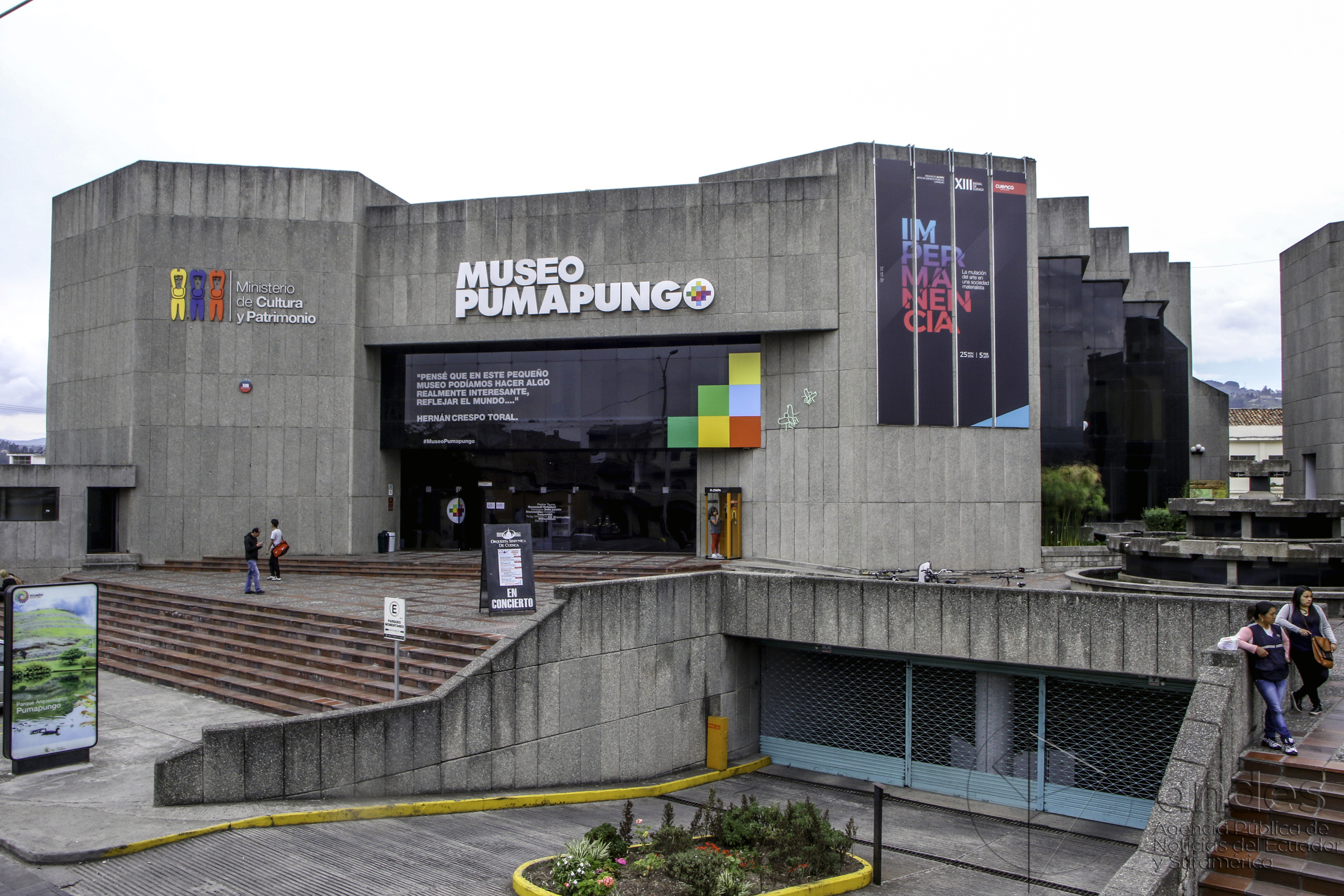
Museo del Banco Central Pumapungo (Calle Larga e/Arriaga y Huayna Capac, Cuenca) – along with a wing that displays more contemporary artworks at this museum’s street level, its upper level features a variety of ítems that reveal the country’s diverse cultures – from indigenous (Indian) to Afro-Ecuadorian (showing the little-known blacks from Esmeraldas province, who […]

Museo de las Culturas Aborígenes (Calle Larga 5-24, e/Hno. Miguel y Mariano Cueva, Cuenca) – this museum, located in provincial town of Cuenca, has over 5,000 archeological pieces from over 20 pre-Columbian Ecuadorian cultures (made of clay, bone, shells, stones, and wood) that go back some 15,000 years. Along with the exhibit areas, there’s a […]
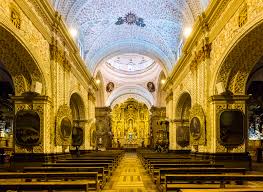
La Merced (Calles Chile y Cuenca, Quito) – this 18th century church is known for its fascinating artwork (including paintings showing volcanoes erupting over colonial-era Quito). This is also another renowned church that went through periods of damage and restorations as a result of earthquakes that it weathered (in particular in 1660). A closer look […]